






How to Choose a Moisturizer When Yours Isn't Working
November 04, 2026

Key Takeaways:
- Match the moisturizer’s texture to your issue: You may need a lighter gel or lotion if your skin has a heavy or greasy feel. Meanwhile, a richer cream could help combat persistent dryness.
- Adjust your application: Using less moisturizer overall, focusing just on dry patches, or changing your layering order, can aid product effectiveness.
- Shop with intention: Different moisturizers can serve different purposes—they’re not necessarily interchangeable.
- Lightweight options like the Vichy Mineral 89 Collection suit oily or overwhelmed skin.
- SkinBetter Science Trio Rebalancing Moisture Treatment is suitable for mixed or combination needs.
- SkinBetter Science Trio Luxe Moisture Treatment works well when you need extra richness.
Always pay attention to how your current moisturizer is leaving your skin—whether it feels greasy, dry, or just right. A greasy finish points to a formula that’s too rich; lingering tightness and flakes could mean your product simply isn’t hydrating enough. If you’re noticing stinging or pilling, your skin might be reacting to the formula, or your routine might need streamlining.
Read on for how to pick a moisturizer that may be suitable for your skin’s needs.
What Should You Try If Your Moisturizer Isn’t Working?
| If your moisturizer... | The likely problem | What to try instead | Product to consider |
| Leaves skin greasy, shiny, or heavy | The formula may be too rich, or you may be applying too much | Use less product or switch to a lightweight hydrating texture | Vichy Mineral 89 Collection for lightweight hydration |
| Leaves skin tight but still oily-looking | Your skin may need hydration without a heavier finish | Try a lightweight formula with humectants | Vichy Mineral 89 Collection when skin feels tight but shiny |
| Feels heavy on your T-zone but not moisturizing enough on your cheeks | Different areas may need different amounts of moisture | Apply less to oily areas and more to dry areas | SkinBetter Science Trio Rebalancing Moisture Treatment for uneven moisture needs |
| Absorbs quickly but leaves skin dry again | The formula may not provide enough lasting moisture | Try a richer formula with lipids and emollients | SkinBetter Science Trio Luxe Moisture Treatment for lasting dry-skin comfort |
| Leaves skin rough, flaky, or uncomfortable | Your current moisturizer may be too lightweight | Try a richer cream, especially at night or during dry weather | SkinBetter Science Trio Luxe Moisture Treatment for rough or flaky skin |
| Pills beneath sunscreen or makeup | You may be applying too much or layering textures that do not sit well together | Use less product, allow layers to settle, or try a lighter daytime texture | Vichy Mineral 89 Collection for smoother daytime layering |
Why Does My Moisturizer Make My Face Feel Greasy?
Your moisturizer may leave your face looking greasy if the formula is richer than your skin needs, you apply too much, or it sits on top of other heavy skincare products. A shiny finish does not necessarily mean your skin is hydrated. It may simply mean the texture does not fit comfortably into your routine.
Start by applying a smaller amount. Use a thin layer, allow it to settle, and add more only to areas that still feel dry. You can also apply less to the forehead, nose, and chin if those areas become shiny more quickly.
Keep in mind, your moisturizer’s texture matters, too. Sometimes, switching to a different consistency—like a gel, hydrating serum, gel-cream, or lightweight lotion—can make all the difference in skin comfort. Lighter textures often absorb faster, deliver hydration without heaviness, and rely on humectants like hyaluronic acid and glycerin to keep skin feeling fresh and replenished. If reducing the amount isn’t helping, consider if the texture itself is right for your needs.
Why Does My Skin Feel Tight Even After Moisturizing?
Tightness after moisturizing can mean your formula isn’t providing enough hydration for your needs, but another part of your routine may also be contributing. Harsh cleansing, frequent exfoliation, strong mattifying products, or several active ingredients can affect how your skin feels. Keep in mind that tightness may also occur even when skin looks shiny. In that case, your skin may need lightweight hydration rather than a heavier cream.
To help combat this issue, try applying moisturizer while your skin is slightly damp and begin with a modest amount. If tightness continues, review your cleanser, exfoliating products, and treatments instead of assuming the moisturizer is the only possible cause.
The right ingredients, too, can have a major impact on how comfortable and hydrated your skin feels. Look for moisturizers containing humectants like hyaluronic acid or glycerin, which draw in water, as well as ceramides or fatty acids to help reinforce the skin barrier. Avoid formulas high in alcohol or strong fragrance if your skin feels sensitive. Paying attention to both texture and ingredients will help you find a moisturizer that keeps your skin soft and supple—without the tight feeling.
It’s best to change only one part of your routine at a time. This can help you determine whether the problem is related to cleansing, exfoliation, product texture, application amount, or layering order.
Why Does My Skin Feel Dry Again So Quickly?
If your skin feels comfortable immediately after moisturizing but becomes dry again soon afterward, your current formula may not provide enough lasting moisture. This may happen when skin that tends to feel dry relies only on water-light gels or humectant-focused formulas.
To help, try a moisturizer that combines different ingredient types. Doing so may feel more supportive than a lightweight hydration product on its own. After all, some ingredients are designed to attract water, while others help support a softer, smoother feel or reduce moisture loss from the skin’s surface.
You can also try moving one step richer in texture. You might switch from a gel to a lotion or from a lotion to a cream. A richer moisturizer may be especially useful at night or during colder, drier conditions.
How to Apply Your Moisturizer for Best Results
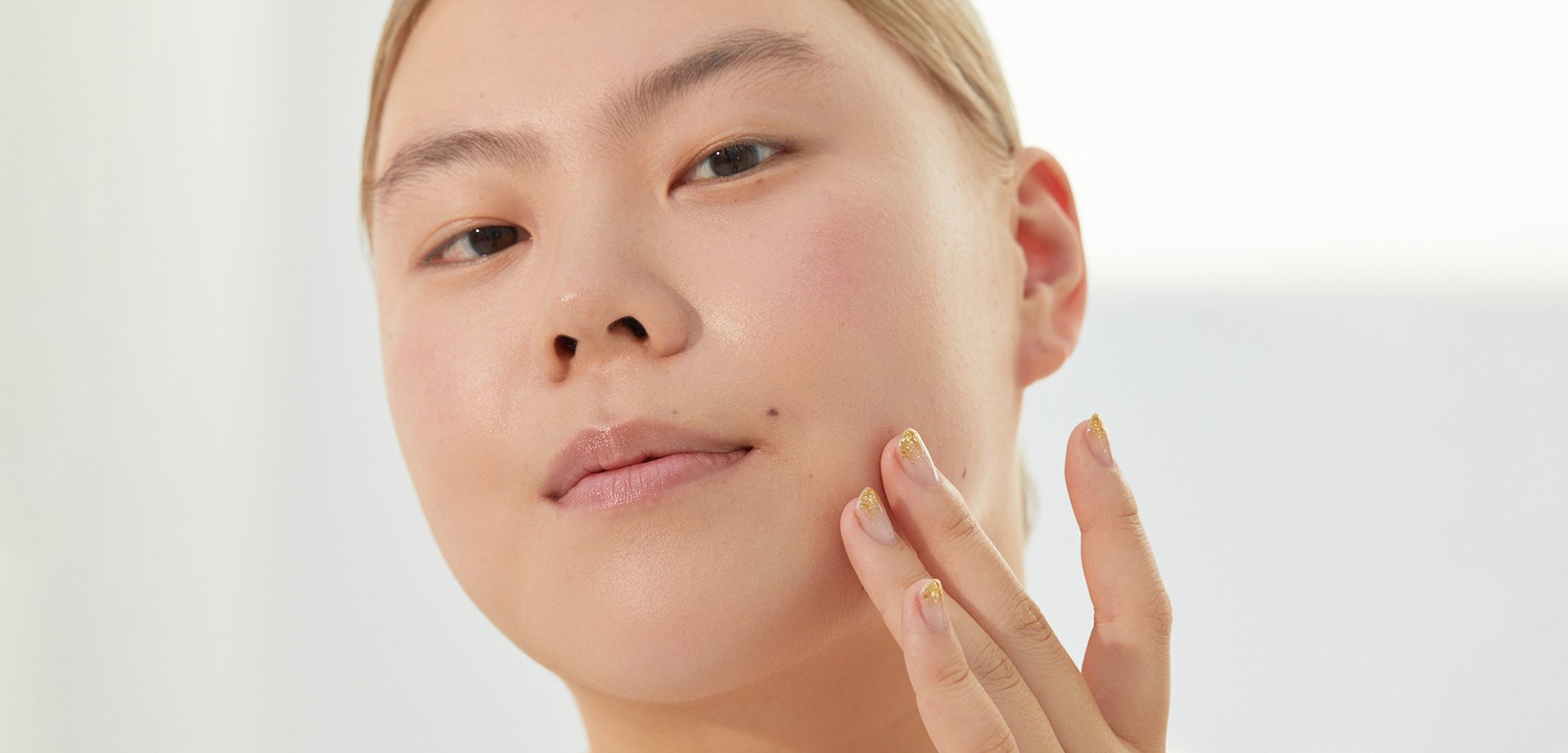
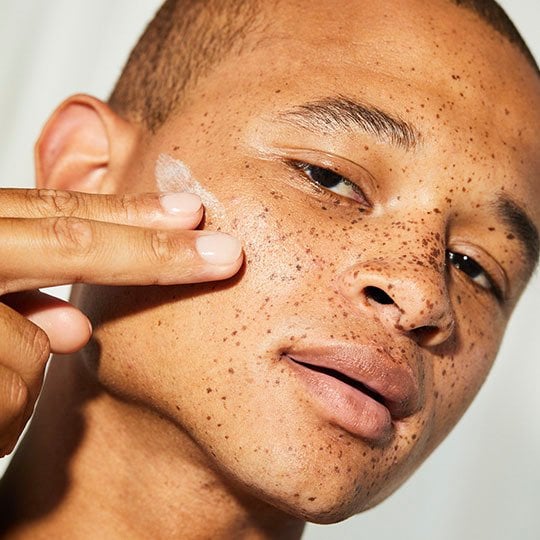
For optimal hydration and comfort, always apply your moisturizer to clean, slightly damp skin—this helps lock in extra moisture. Use clean fingertips to gently dot moisturizer across your cheeks, forehead, nose, and chin. Then, use upward, outward motions to smooth it evenly over your face and neck without tugging or pulling at the skin.
Adjust the amount based on how your skin feels: start with a modest layer and add more if you notice areas needing extra attention. For those using serums or treatments, layer your moisturizer on last to help seal in their benefits. Remember, consistency and gentle application go a long way toward healthier, happier skin.
- Warm moisturizer between your fingers before applying for smoother, more even coverage.
- Don’t forget your neck and décolletage—these areas need hydration too.
- Wait a minute or two before applying SPF or makeup to allow full absorption.
- If skin feels sticky or greasy, you may be using too much; less is often more.
- For extra hydration, press moisturizer gently into the skin rather than rubbing.
For Lightweight Hydration: Vichy Mineral 89 Collection: 48H Moisture Matte and 72H Moisture Boosting Cream
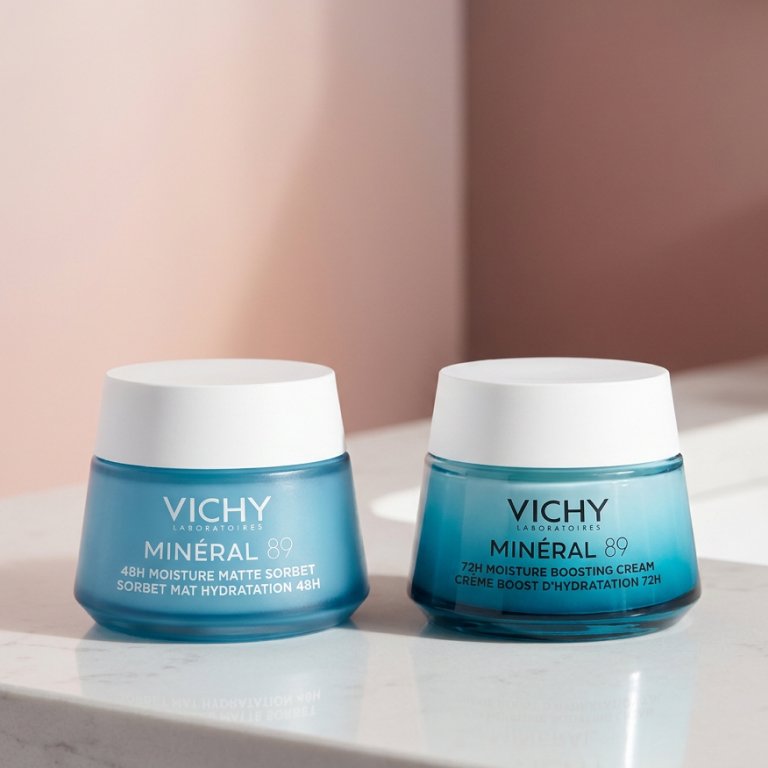
A lightweight option from the Vichy Mineral 89 Collection, such as the 48H Moisture Matte Sorbet or the Fragrance Free Cream, may suit skin that needs hydration but feels overloaded by richer creams. The collection features Vichy Volcanic Water and hyaluronic acid.
Because Mineral 89 is a collection, compare the texture and intended use of the individual products. Select a lightweight option if your main concern is a greasy or heavy finish.
For Tight, Shiny Skin: Vichy Mineral 89 Collection: 100H Rich Cream and Recovery Night Cream
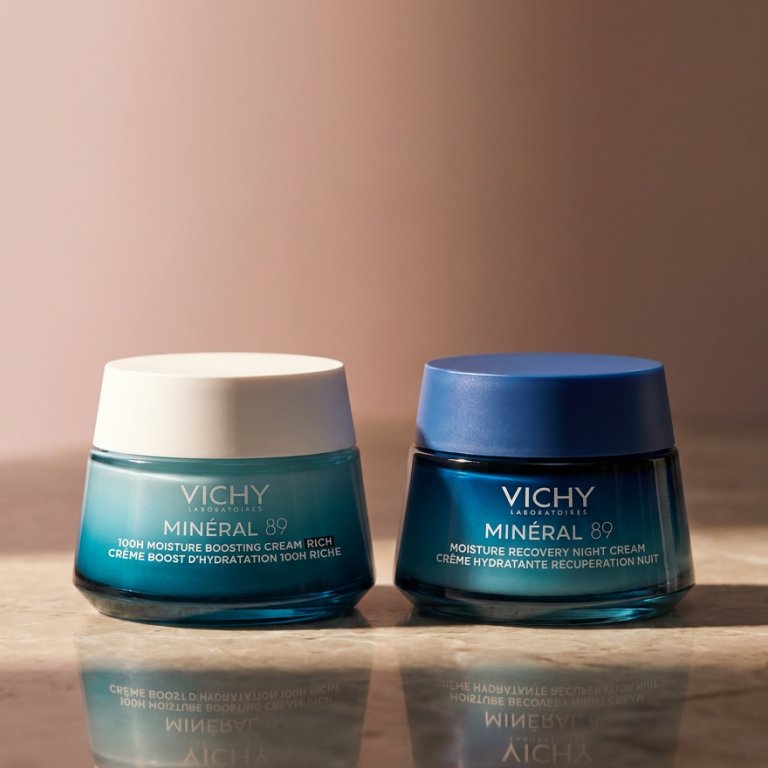
Look for a lightweight formula with humectants such as hyaluronic acid, glycerin, urea, or panthenol. An option from the Vichy Mineral 89 Collection, like 100H Rich Cream or Moisture Recovery Night Cream, may be worth considering if your skin feels tight but richer creams leave an uncomfortable or overly shiny finish.
If tightness continues, consider a formula that also contains emollient or barrier-supporting ingredients, such as ceramides, squalane, cholesterol, fatty acids, or niacinamide.
For Persistent Dryness: SkinBetter Science Trio Luxe Moisture Treatment
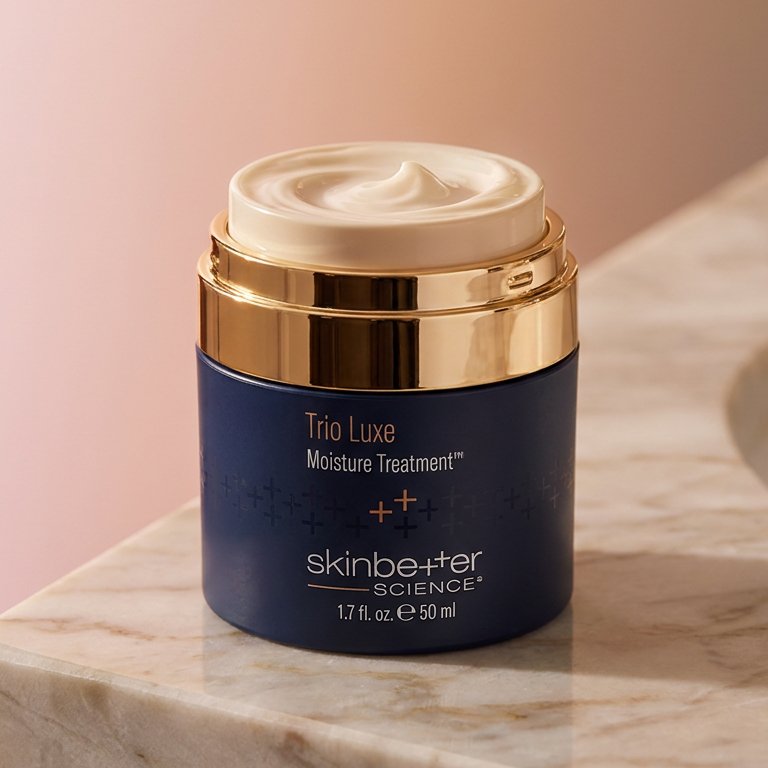
SkinBetter Science Trio Luxe Moisture Treatment may suit skin that remains dry, rough, flaky, or uncomfortable after using lighter formulas. Its listed ingredients include cholesterol, ceramides, linoleic and linolenic acids, a urea complex, and niacinamide.
If a rich cream feels too heavy across your entire face, apply it only to dry areas. Consult a dermatologist if your skin becomes suddenly very dry, cracked, painful, or persistently irritated.
For Balanced Hydration in Combination Skin: SkinBetter Science Trio Rebalancing Moisture Treatment
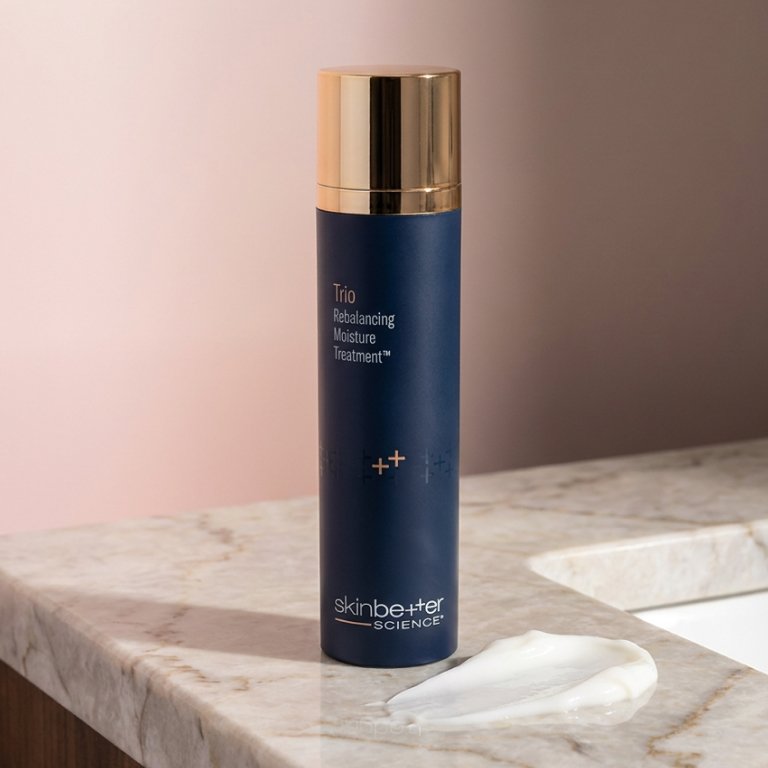
SkinBetter Science Trio Rebalancing Moisture Treatment may be an option when your face feels oily in some areas and dry or tight in others. Its listed ingredients include cholesterol, ceramides, linoleic and linolenic acids, hyaluronic acid, a urea complex, and niacinamide.
Start by applying a small amount first and adjust by zone. Even with a moisturizer intended to provide balanced hydration, your forehead and cheeks may not need the same amount.
For broader information about selecting a moisturizer based on your usual skin type, see the guide below to finding the right moisturizer for your skin type.
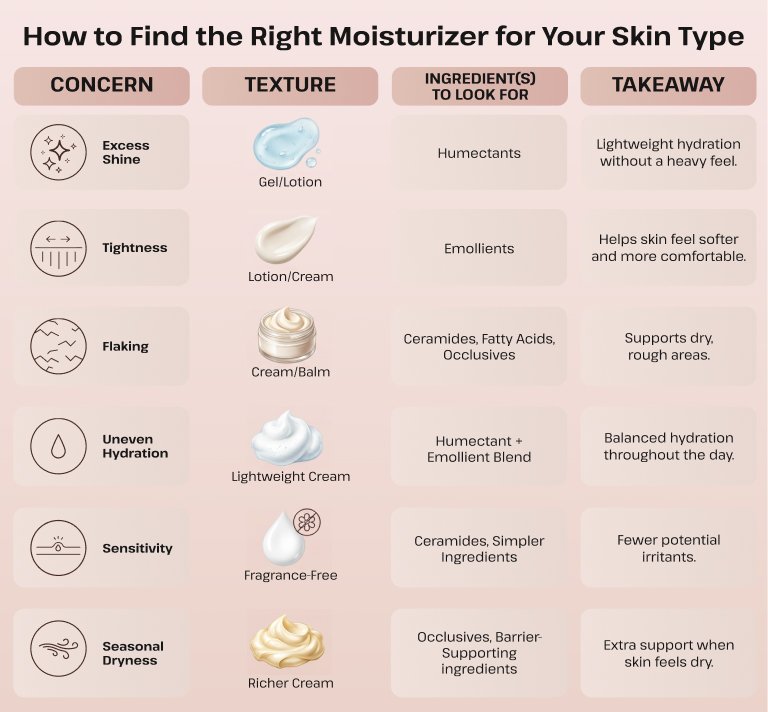
Your Moisturizer Questions, Answered
Should I Apply More Moisturizer If My Skin Still Feels Dry?
Not automatically. Applying more may help if you are using too little, but a larger amount of a very lightweight formula may still fail to provide lasting moisture. Consider moving to a richer texture or applying extra product only to dry areas.
Why Does My Moisturizer Sit on Top of My Skin?
The formula may be too rich, you may be applying too much, or the products underneath may not have settled. Use a smaller amount and allow each layer to absorb. If the heavy feeling continues, try a lighter daytime texture.
Can My Cleanser Make My Moisturizer Seem Less Effective?
Yes. If your skin feels tight immediately after cleansing, your cleanser or cleansing method may be contributing. Frequent exfoliation or several strong treatments may also affect how your skin feels. Review your full routine rather than repeatedly adding more moisturizer.
Can I Apply Different Amounts of Moisturizer to Different Parts of My Face?
Yes. Apply a light layer across your face, then add more only where skin feels dry. This zoned approach may help if your T-zone becomes shiny while your cheeks remain dry.
Find a Moisturizer That Works with Your Routine
If your moisturizer’s working, start with the specific problem it creates. A greasy finish may call for less product or a lighter texture. Tightness or recurring dryness may call for a more supportive formula. If your T-zone and cheeks behave differently, adjust the amount by zone. If a product stings, burns, or causes persistent irritation, stop using it and reassess your routine.
This article reflects editorial research and brand formulation data. Product recommendations are based on ingredient analysis and brand claims.


Read more