














How Do You Remove Mineral Sunscreen with an Oil Cleanser?
September 21, 2026

Key Takeaways:
- Light, non-water-resistant mineral sunscreen may come off with one gentle cleanse.
- Oil cleansers are especially helpful for removing tinted, water-resistant, or makeup-layered sunscreen.
- Always customize your cleansing routine to your SPF’s formula, how much product you’ve used, and any visible residue.
- Oil cleansing method: Apply to dry skin, emulsify with water, then rinse; follow with a water-based cleanser if needed.
Why Can Mineral Sunscreen Be Difficult to Remove?
Mineral sunscreens—sometimes called physical sunscreens—use zinc oxide or titanium dioxide to protect your skin from UV rays. These ingredients create a protective layer that sits on top of the skin, but the real challenge in removal comes from the rest of the formula. To keep the minerals in place (especially in water or sweat), many sunscreens use water-resistant bases, emollients, or waxes that help the product stick.
Because of these long-lasting ingredients, mineral sunscreen can sometimes be stubborn to remove with regular gel or foam cleansers. If you’ve noticed a white cast, residue, or your skin feels filmy after washing, you might be dealing with traces left behind. Repeated scrubbing to remove it—especially with the wrong cleanser—can leave your skin dry or irritated.
The best approach? Match your cleansing method to the sunscreen’s formulation. For anything heavy, water-resistant, or layered under makeup, an oil-based cleanser or double cleansing routine can help break down those durable ingredients—leaving your skin clean and comfortable without extra friction.
How Does an Oil Cleanser Remove Mineral Sunscreen Effectively?
- Oil Solubility: Oils in a cleanser can bind to oil-soluble ingredients within sunscreen, helping to loosen a persistent film on the skin.
- Emulsification: Upon contact with water, many oil cleansers form a milky emulsion. This process supports the rinsing of cleanser and loosened sunscreen, helping to address a greasy residue.
- Gentle Yet Thorough: Oil cleansing can provide an alternative to harsh scrubbing or stripping cleansers while supporting thorough removal and the skin's moisture barrier.
- Effective Removal: Proper emulsification and rinsing help lift sunscreen, makeup, and daily impurities without relying on harsh scrubbing.
This two-step action of dissolving and emulsifying can help lift mineral sunscreen, makeup, and daily impurities. When a water-based second cleanse is appropriate, it can support additional removal and help prepare the skin for the rest of an evening skincare routine.
What Is Double Cleansing?
Double cleansing essentially means washing your face twice: first with an oil-based cleanser on dry skin, and second with a water-based cleanser immediately after rinsing the first cleanser off. The oil cleanser helps loosen oil-soluble sunscreen, makeup, and excess sebum. Meanwhile, the water-based cleanser helps address remaining cleanser residue, sweat, and other water-soluble impurities.
Adding a second cleansing step may be useful for water-resistent or tinted sunscreen, multiple SPF applications, makeup, or lingering film, while a single cleanse (i.e. just a water-based cleanser) may be enough for lighter formulas when no visible film remains and the skin appears comfortable.
When a Single Cleanse May Be Enough
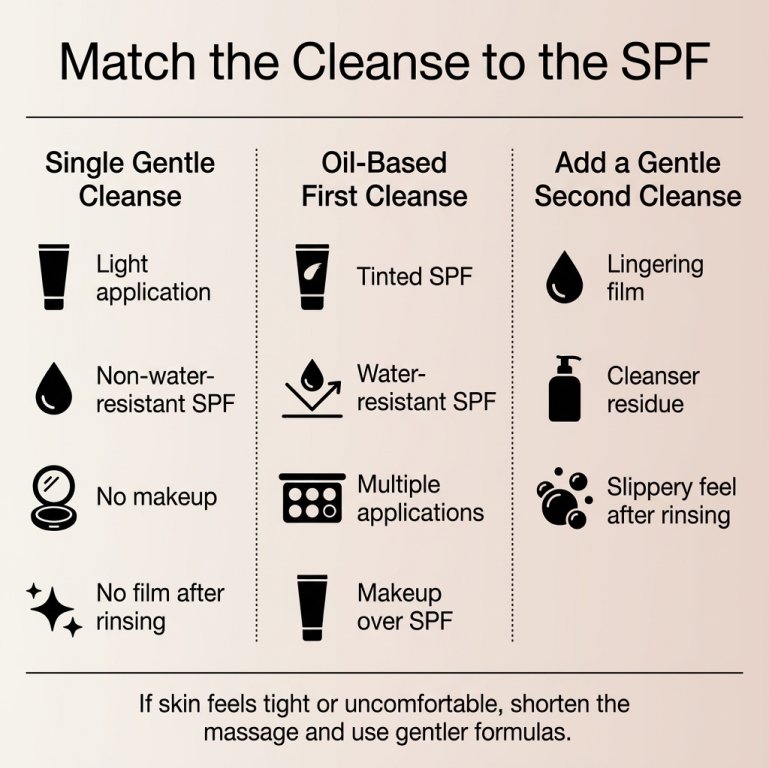
When a light, non-water-resistant mineral sunscreen is worn without makeup and no visible film remains after washing, one gentle cleanse may be enough. Follow the cleanser’s directions, rinse thoroughly, and check common collection points such as the hairline, nose, and jawline. If tint, a noticeable film, or slippery residue remains, use an emulsifying oil cleanser or add a mild second cleanse rather than scrubbing.
Choosing the Right Oil Cleanser for Mineral Sunscreen Removal
When choosing an oil cleanser for mineral sunscreen, look for a formula that can help break down persistent SPF while supporting comfortable, hydrated-looking skin. Emulsification, cleanser format, and compatibility with your skin can help guide the selection.
Key Considerations for an Effective Oil Cleanser
| Factor | What to Look For | Why It Matters | Suggested Approach |
| Emulsification | Formulations that turn milky upon contact with water | Supports easier rinsing of the cleanser and loosened sunscreen, helping to address a greasy film. | Choose cleansers with emulsifiers designed to rinse cleanly. |
| Ingredients | Non-comedogenic oils (e.g., grapeseed, sunflower), gentle surfactants | Supports compatibility with different skin profiles and allows the cleanser to be used gently and effectively. | Prioritize formulas with suitable oils and formulations without harsh stripping agents. |
| Formulation | Gentle, non-stripping, fragrance-free options | Supports the skin's moisture barrier and helps address the potential for irritation. | Opt for formulations designed for sensitive skin, even if your skin is not typically sensitive. |
| Texture | Smooth, easy-to-spread liquid or balm | Facilitates gentle massaging without tugging or pulling at the skin. | Select a texture designed for smooth application and gentle massage. |
Choose a Mineral Sunscreen Removal Method Based on the Formula
Pick your cleanser based on how your sunscreen wears and how easily it rinses off. If you’re dealing with layered or tinted sunscreen that feels heavy, a liquid cleansing oil can effortlessly break it down and spread across your whole face. Prefer more control—especially around areas where sunscreen builds up, like the hairline or jawline? Try a cleansing balm, which lets you focus on those stubborn spots.
No matter which you choose, look for a formula with emulsifiers—these allow the cleanser to turn milky when you add water, making it easy to rinse everything away. If your skin feels clean and there’s no visible residue after the first cleanse, a second cleanse isn’t always necessary.
For a Gentle First Cleanse: La Roche-Posay Lipikar AP+ Gentle Foaming Cleansing Oil
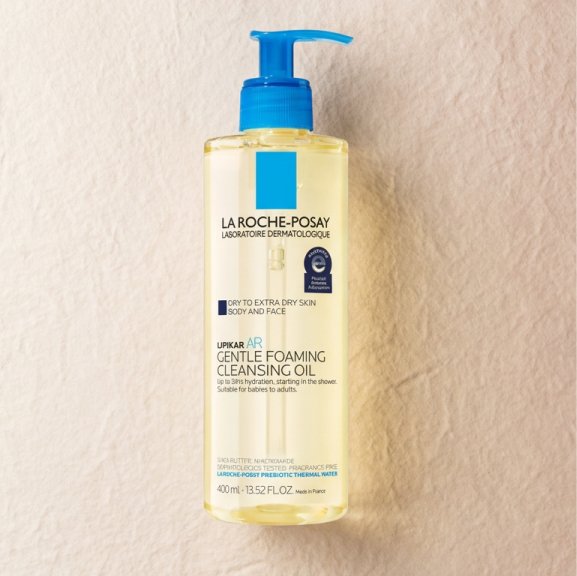
Lipikar AP+ Gentle Foaming Cleansing Oil from La Roche-Posay is formulated for gentle cleansing and may be used as a first cleanse for mineral sunscreen, impurities, and light makeup. Its water-activated foaming action supports thorough removal while supporting the skin's moisture barrier.
- Key Ingredients: Niacinamide, Shea Butter, Aqua Posae Filiformis
- Why It May Be Suitable: This cleansing oil is formulated to help lift impurities and mineral SPF. It is designed for dry and sensitive skin and may support soft, hydrated-looking skin without relying on harsh scrubbing.
- Who Can Use It: People with dry or sensitive skin seeking a gentle first cleanse for mineral sunscreen removal.
For a Lightweight Mineral Serum: La Roche-Posay Anthelios UV Air Mineral SPF 50
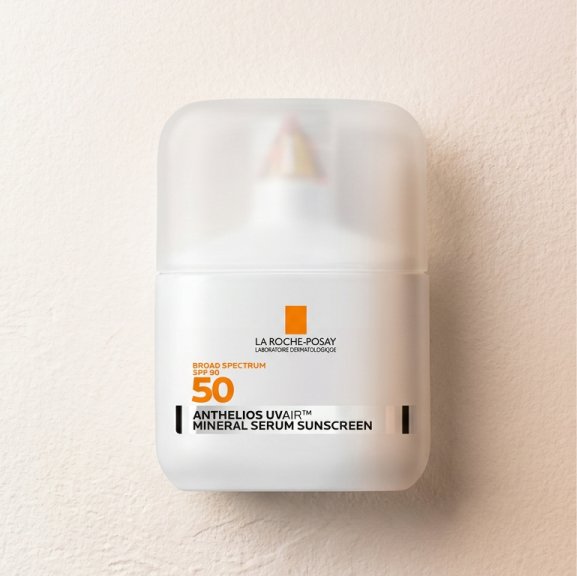
La Roche-Posay Anthelios UV Air Mineral SPF 50 is a lightweight mineral serum sunscreen designed for a more transparent finish. When it is worn alone and leaves no visible film after rinsing, one gentle cleanse may be sufficient. Consider an oil-based first cleanse when the sunscreen has been reapplied, layered with makeup, or remains noticeable around the hairline, nose, or jawline.
- Key Ingredients: Zinc Oxide, Niacinamide, Hyaluronic Acid, Cell-Ox B3 Shield Technology
- Why It May Be Suitable: This mineral serum has a lightweight, blendable texture and a more transparent finish across a wide range of skin tones. When worn alone, it may be removed with one gentle cleanse; an oil-based first cleanse may be useful after reapplication, makeup layering, or when visible residue remains.
- Who Can Use It: People with sensitive skin or any skin type seeking a lightweight mineral SPF 50 serum with a more transparent finish.
For a Tinted Mineral Formula: La Roche-Posay Anthelios Mineral Tinted Sunscreen for Face
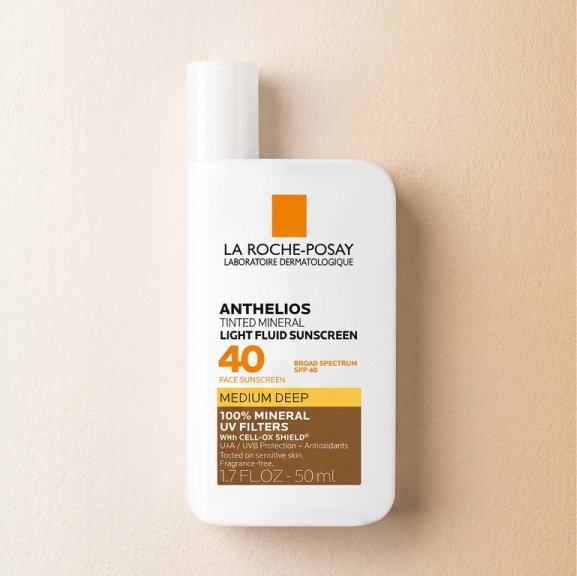
La Roche-Posay Anthelios Mineral Tinted Sunscreen for Face combines mineral filters with iron-oxide pigments and can also be worn beneath makeup. Because tint, makeup, and repeated applications add visible product layers, an emulsifying oil cleanser may be useful as the first step. Rinse thoroughly, then add a gentle water-based cleanser only if visible or slippery residue remains.
- Key Ingredients: Titanium Dioxide, Iron Oxides, Cell-Ox Shield Technology
- Why It May Be Suitable: This 100% mineral sunscreen has a blendable tint and a non-greasy texture that can provide a smooth base for makeup. Because pigments, makeup, and repeated applications create additional visible layers, an emulsifying oil cleanser may help loosen the formula before a second cleanse is considered.
- Who Can Use It: People with sensitive skin or any skin type seeking tinted mineral sun protection with a blendable finish and no visible white cast.
Mineral Sunscreen Removal Troubleshooting
- White or tinted film after drying: Use enough cleanser, focus on commonly missed areas, and emulsify gradually until the cleanser turns milky.
- Greasy or slippery residue after rinsing: Add more water during emulsification and rinse thoroughly; if needed, follow with a small amount of gentle water-based cleanser.
- Sensation of tightness or stinging: Shorten the massage, use lukewarm water, and choose gentler formulas rather than repeating the cleanse or scrubbing.
- New blemishes or skin texture changes: Simplify the routine and change one product at a time to help identify whether the sunscreen, first cleanser, second cleanser, or cleansing frequency may be contributing.
- Persistent residue despite correct technique: Consider whether the sunscreen is tinted, heavily reapplied, or water-resistant, then adjust the removal method rather than increasing friction.
Frequently Asked Questions About Removing Mineral Sunscreen
Do All Mineral Sunscreens Require an Oil Cleanser?
No. The mineral filters alone do not determine the cleansing method. A light, non-water-resistant sunscreen may come off with one gentle cleanse, while water-resistant bases, waxes, film formers, tint pigments, makeup, or repeated applications can make a formula more persistent. If visible film remains after rinsing, an emulsifying oil cleanser can help loosen the sunscreen before a second cleanse is considered.
Can I Just Use Micellar Water to Remove Mineral Sunscreen?
Micellar water can remove light makeup and some impurities, but it may not fully dissolve persistent mineral sunscreen formulas and their oil-based components. For water-resistant formulas or visible residue, consider an oil cleanser followed by a water-based cleanser if needed.
Can a Cleansing Balm Remove Mineral Sunscreen?
A cleansing balm can help remove mineral sunscreen when it contains oils and emulsifiers that loosen persistent product layers and rinse away with water. Balm and liquid-oil formats can both work; the better choice depends on the formula’s directions, how easily it spreads, and whether it leaves visible or slippery residue after rinsing. Follow with a gentle water-based cleanser only when additional removal is needed.
How Do I Know if My Mineral Sunscreen Is Fully Removed?
After cleansing, check for a visible tint or a noticeable film around areas where sunscreen tends to collect. Skin should appear clean and calm, not tight, slippery, or irritated. If residue remains, repeat gentle emulsification and rinsing or add a mild second cleanse; do not rely on scrubbing or repeated wiping to confirm removal.
This article reflects editorial research and brand formulation data. Product recommendations are based on ingredient analysis and brand claims.


Read more