














How to Choose Skincare Based on Humid or Dry Climates
October 06, 2026

How Does Where You Live Affect Your Skin?
Your environment doesn’t permanently change your skin type, but it does create ongoing challenges.
- Low humidity: Accelerates transepidermal water loss (TEWL), leading to dry, rough, or tight skin. Prioritize gentle cleansing and richer moisturizers to support your skin barrier.
- Heat and humidity: Stimulate sebaceous glands, resulting in more shine or an oily feel. Don’t skip moisturizer—just choose breathable, lightweight options.
- Urban pollution: Exposes skin to free radicals and buildup. A solid antioxidant routine and nightly cleansing help defend the skin against environmental aggressors.
- UV exposure: Increases the risk of premature signs of aging. Daily application—and reapplication—of broad-spectrum sunscreen is essential.
- Wind and altitude: Can combine dryness and UV stress—choose a richer cream and robust SPF.
- Hard water: Leaves behind minerals that dull and dehydrate. Opt for a gentle or micellar cleanser.
How to Care for Skin in Dry or Cold Weather
Dry or cold environments demand more comfort-focused routines:
- Cleanse gently: Harsh cleansers or excessive exfoliation can worsen tightness brought on by cold, wind, or indoor heating.
- Match moisturizer to dryness: Reach for products with hyaluronic acid, glycerin, ceramides, and emollients; layer lighter formulas or choose a rich cream designed to help provide rich support.
- Apply and reapply SPF: Bright winter days (especially at altitude) reflect more UV—consistent sun protection is key.
For more on creating a targeted skincare routine for winter, check out our seasonal guide.
Who Can Use a Hot or Humid Climate Skincare Routine?
High humidity can make skin shiny or heavy under products, but that doesn’t mean you should skip moisture. Instead, use lighter hydrators with humectants like hyaluronic acid or glycerin.
- Morning: Cleanse if needed, hydrate lightly, and apply broad-spectrum SPF.
- Evening: Cleanse thoroughly to remove sweat, sunscreen, and makeup.
For those who travel frequently, mastering skincare routines for changing climates ensures your skin stays balanced wherever you are.
How Should You Adjust Skincare for Air Pollution and City Living?
Urban living intensifies exposure to pollution and environmental stressors. Morning routines should combine antioxidants (like vitamin C) and SPF for defense, while evenings call for effective but gentle cleansing to sweep away impurities and buildup. Remember, cleansing deeply each evening is one of the most important steps to defend the skin against environmental aggressors.
Other Environmental Factors That Can Affect Your Skin
- UV exposure: Use broad-spectrum SPF daily and reapply during extended outdoor exposure.
- Wind and altitude: Choose a richer moisturizer for tightness and maintain consistent UV protection.
- Hard water: Use a gentle cleanser or no-rinse option if mineral residue leaves skin tight or dull.
- UV exposure: Always use broad-spectrum SPF and reapply for prolonged periods outdoors.
- Wind and altitude: Choose a richer cream for comfort; never skip sun protection.
- Hard water: Consider a gentle or micellar cleanser if your shower leaves your skin dull or tight.
Climate-Based Product Selection Choose products by climate-related need rather than building a generic roundup. The options below connect to gentle cleansing, sunscreen removal, dryness, dullness, daily UV exposure, or added hydration.
| If you need... | Product role | Product | When to use |
| Gentle cleanse for dry weather | Gentle micellar cleanser | Garnier Micellar Water All-in-1 | When skin feels uncomfortable after seasonal shifts |
| Remove SPF/makeup in humidity | Gentle waterproof-makeup remover & cleanser | Garnier Micellar Water All-in-1 Waterproof Makeup Remover | Evening, after hot, humid, or high-UV days |
| Dullness after city exposure | Vitamin C micellar cleanser | Garnier Micellar Water with Vitamin C | When skin looks dull due to pollution or buildup |
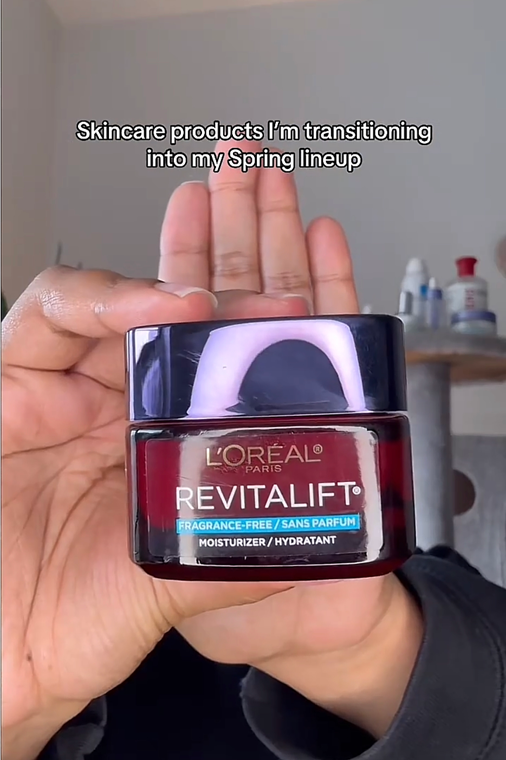
| Rich hydration for dry/cold | Rich facial moisturizer | L'Oréal Paris Revitalift Triple Power Anti-Aging Moisturizer | In dry, cold, or windy conditions, day or night |
| SPF+hydration in one step | Moisturizer with SPF | L'Oréal Paris Revitalift Triple Power Anti-Aging Moisturizer SPF 30 | Every morning, all climates |
| High-level daily SPF | Dedicated sunscreen | L'Oréal Paris Broad Spectrum SPF 50 Daily UV Lotion | Daily, especially in high-UV or outdoor exposure |
| Boosted hydration | Hydrating toner | Thayers Milky Toner | After cleansing, when dryness calls for added support |
Simple AM/PM Routine Comparison for Dry vs. Humid Environments
The same routine categories can shift by environment: dry settings emphasize comfort and moisture support, while humid settings favor lighter textures and thorough evening cleansing.
| Environment | Morning focus | Evening focus |
| Dry or cold | Gentle cleanse, layer hydration, use richer moisturizer, finish with SPF. | Gentle cleanse, replenish moisture, avoid aggressive exfoliation. |
| Hot or humid | Lightweight cleanser and moisturizer, SPF that works with sweat. | Cleanse away sweat, sunscreen, long-wear makeup; avoid overtreating oiliness |
How Should You Change Your Skincare When Traveling to a Different Climate?
Transitioning between climates? Don’t overhaul everything: pack a gentle cleanser, broad-spectrum SPF, and a moisturizer you can layer up or down. Moving to dry air? Add a richer texture. Hotter or high-UV? Lighten up layers and focus on consistent sunscreen removal. These incremental changes ensure your skin is resilient—even as your environment changes.
For more in-depth tips, check out our guides to skincare routines for changing climates.
FAQs About Climate Skincare
Do I need a different SPF for different climates?
No; prioritize a broad-spectrum formula that feels good on your skin so you apply—and reapply—it as needed. Lighter textures may suit humidity, while colder temps or altitude need more frequent reapplication.
How long does it take skin to adjust to a new climate?
Adjustment may take days to weeks, depending on the shift and your skin’s sensitivity. Gradual product changes are best.
Common skincare mistakes when traveling?
Sudden full-routine changes, only packing one moisturizer, or skipping effective cleanser for SPF are common errors—adapt only the necessary steps.
How to know if you need more hydration or a lighter formula?
Tight, rough skin = more hydration. Heavy, shiny skin = lighter textures. Make one change at a time.
Should your seasonal skincare routine change even if you don’t move?
Yes—weather fluctuations demand tweaks, from richer creams in winter to lighter hydrators when indoor heat or humidity rises.
Build a Skincare Routine That Adapts to Your Environment
A smart, climate-based skincare routine begins with observation. Track how your skin shifts with weather, travel, or seasons—then fine-tune your products and textures. With a few targeted swaps, you can build a responsive regimen that doesn’t overcomplicate your life.
Start by identifying your most consistent environmental trigger. Then, adjust your cleanser, moisturizer, and SPF for a routine that supports hydration, barrier health, and defense—regardless of the weather. Explore more scientific, ingredient-driven guidance and product picks at skincare.com.
Editorial Disclosure: This article reflects editorial research and brand formulation data. Product recommendations are based on ingredient analysis and brand claims.


Read more