















How to Layer Serums in Your Skincare Routine by Skin Type
July 16, 2026

Key Takeaways
- The basic principle is to apply serums from lightest to heaviest consistency: water-based first, then gels, emulsions, and finally oils.
- Limiting routines to two or three serums at a time can support optimal absorption and help minimize irritation.
- Separate stronger combinations like retinol and exfoliating acids.
- Adjust your routine by skin type: oily skin favors lighter layers, dry skin benefits from richer hydration.
- Let your skin type guide texture choice and let your main concern guide ingredient choice.
Layering serums can feel more like chemistry than self-care, especially with so many trending ingredients and conflicting routines online. While “apply from lightest to thickest” is the basic principle, your skin type, concerns, the time of day, and the potency of your chosen serums all play an important role in your regimen’s success. Here are several serums worth considering based on skin type:
- Serums for Oily Skin:
- Serums for Dry Skin:
- Serums for Combination Skin:
- Serums for Sensitive Skin:
- Serums for Mature Skin:
Read ahead to learn more about the essentials of layering—including how to adapt your routine for oily, dry, combination, sensitive, and mature skin—and ingredient pairings that get results.
The Core Rules of Serum Layering
Serum layering is easiest when you follow these fundamentals:
- Texture Order: Start with the thinnest (usually water- or gel-based serums), then apply richer serums, and end with face oils or oil-based serums if you use them. Thinner products penetrate faster, while heavier ones can seal in benefits.
- Limit the Number: Using two to three serums per routine is usually optimal. More can increase the risk of pilling, overload, or irritation.
- Time Between Layers: Wait 30–60 seconds between serums (slightly longer for very low-pH actives, like certain vitamin C serums and exfoliating acids, or formulas that feel tacky) to allow absorption and minimize pilling.
- AM vs. PM: Morning routines often feature antioxidants (like vitamin C), hydrating serums, and niacinamide. Save retinoids and exfoliating acids for night, and don’t layer these strong actives together unless advised by a dermatologist.
- Ingredient Compatibility: Not all actives get along! Separate vitamin C and retinoids, avoid stacking AHAs/BHAs with retinol, and be cautious combining multiple strong actives at once.
Pro tip: Your main concern (e.g., hydration, hyperpigmentation, fine lines) should guide your serum priorities—let your skin type decide the textures.
How to Layer Serums by Skin Type
While the fundamental rules of serum layering—applying formulas from thinnest to thickest—work for most, the ideal routine still depends on your unique skin type. Oily, dry, combination, sensitive, and mature skin each tend to benefit from different textures and layering approaches. For instance, oily skin may prefer lightweight gels or water-based serums, while dry or mature skin often responds best to richer, more nourishing layers.
Remember, skin isn’t always just one type—many people have overlapping needs. You might have oily, breakout-prone skin that’s also starting to show signs of aging, or combination skin that’s occasionally sensitive or marked by dark spots. In these cases, let your skin type help you choose the texture and feel of your serums, but let your top concern—like hydration, brightness, or anti-aging—guide your ingredient choices and which actives to prioritize. This flexible, targeted approach helps you get the most out of every step in your routine.
Oily Skin: Lightweight Layers & Active Support
Oily skin often benefits from lightweight, non-comedogenic serums designed to help balance oil while providing multi-tasking benefits like hydration and refining the appearance of pores. Oily skin also generally responds well to a focused routine with just a few well-chosen, lighter steps rather than layering on multiple actives at once.
What to prioritize:
- Water-based hydrating serums like hyaluronic acid
- Niacinamide for oil balance and pore care
- Occasional gentle exfoliating serums like salicylic acid
- Vitamin C for brightening (in the morning)
AM: Cleanser → (optional toner) → Niacinamide → Lightweight hydrating serum OR vitamin C→ Gel moisturizer → SPF
PM: Cleanser → (occasional exfoliant on select nights) → Balancing serum → Hydrating serum → Moisturizer
What to avoid:
- Heavy oils or rich creams that can clog pores
- Layering too many strong actives—most oily skin needs no more than one “treatment” serum per routine
Serum highlight:
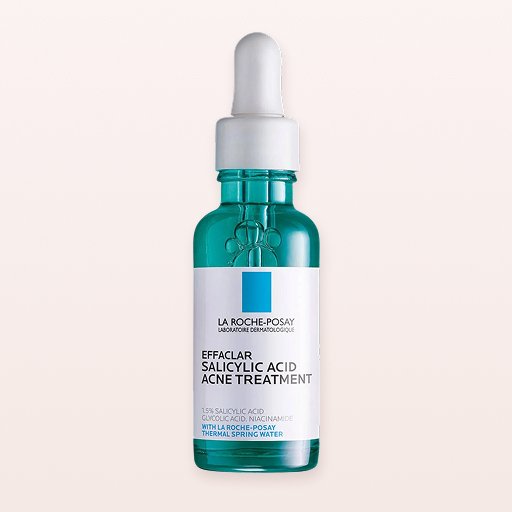
La Roche-Posay Effaclar Salicylic Acid
A gentle yet effective serum formulated with salicylic acid designed to help clarify pores, support smoother texture, and visibly address breakouts—ideal for oily or blemish-prone skin.
Kiehl’s Ultra Pure High-Potency 5.0% Niacinamide Serum
A targeted serum designed to help address excess oil, refine the appearance of pores, and visibly support an even skin tone—suitable for those seeking balance and clarity.
Dry Skin: Maximize Hydration and Support
Dry skin usually needs hydration first, so start with humectant-rich layers and follow with richer textures to seal in moisture. This routine works best when hydrating serums are applied early and locked in quickly to support skin comfort and maintain a smooth, supple appearance throughout the day.
What to prioritize:
- Humectant-rich serums (hyaluronic acid, glycerin)
- Peptide or ceramide serums for barrier support
- Nourishing serums/essences with emollients and soothing ingredients
- Antioxidant serums for AM
Routine:
AM: Cleanser → Hydrating Toner or Essence → Hydrating serum (hyaluronic acid) → Antioxidant serum → Peptide or ceramide serums → Moisturizer → SPF
PM: Cleanser → Hydrating serum → Peptide or ceramide serums → Nourishing serum or essence → Rich moisturizer → Face oil (optional: for very dry skin)
What to avoid:
- Overusing strong acids or exfoliants that can dry skin further
- Pairing multiple retinoids or actives without downtime
Serum highlight:
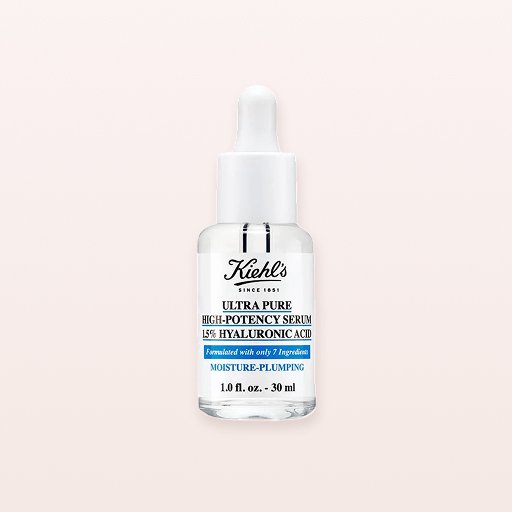
Kiehl’s Ultra Pure High-Potency 1.5% Hyaluronic Acid Serum
This lightweight hydrating serum is designed to help attract moisture to the skin for a feeling of immediate and long-lasting plumping, helping to leave the complexion feeling soft and supple without any heaviness.
Combination Skin: Find Your Balance
Combination skin can benefit from a flexible, streamlined routine that addresses both oily and dry zones—sometimes even requiring “zoning,” or applying different products to different areas. The key is to layer thoughtfully, supporting multiple needs without overwhelming the T-zone with heavy textures or leaving drier areas under-treated.
What to prioritize:
- Balancing/clarifying serums with niacinamide
- Light hydrating serums for all-over use
- Exfoliating serums (like salicylic or lactic acid) a few times a week on T-zone or problem areas
Routine:
AM: Cleanser → (optional toner) → Balancing/clarifying serum → Hydrating serum → Moisturizer → SPF
PM: Cleanser → Exfoliant or retinoids (alternating and as tolerated) → Hydrating serum → Moisturizer
What to avoid:
- Rich oils or heavy creams on oily zones
- Applying the same strong treatment serum everywhere if only some areas need it
Serum highlight:
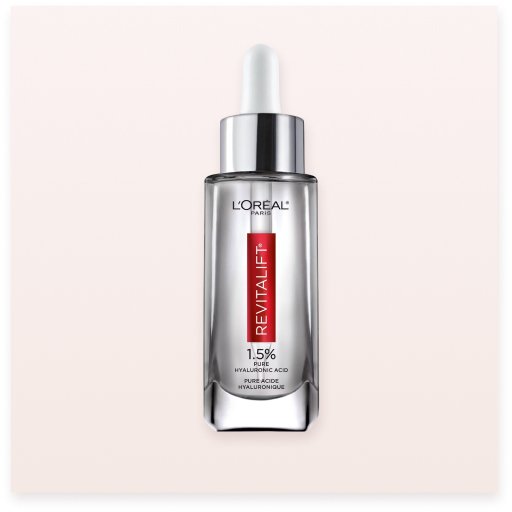
L’Oreal Paris Revitalift Derm Intensives 1.5% Pure Hyaluronic Acid Serum
This hydrating serum features 1.5% pure hyaluronic acid to help hydrate and smooth skin with intense, long-lasting moisture. Designed to penetrate deeply and plump skin from within, it helps reduce fine lines and give skin a fresh, radiant appearance—making it ideal for all skin types, including combination.
Sensitive Skin: Keep It Gentle & Minimal
Sensitive skin often responds well to fewer, gentler layers and barrier-boosting ingredients, benefiting more from a consistent routine than a complex one.
What to prioritize:
- Low-strength hyaluronic acid
- Panthenol, centella, ceramide, or niacinamide serums for soothing relief and barrier support
- Soothing, fragrance-free formulas
Routine:
AM: Gentle cleanser → Low strength hyaluronic acid → Soothing/barrier support serum → Lightweight, fragrance-free moisturizer → SPF
PM: Gentle cleanser → Low strength hyaluronic acid → Soothing/barrier support serum → Richer moisturizer if needed
What to avoid:
- Strong exfoliating acids, vitamin C (unless a gentle derivative), and retinoids—unless your skin has built up tolerance
- Stacking multiple active serums together
Serum highlight:
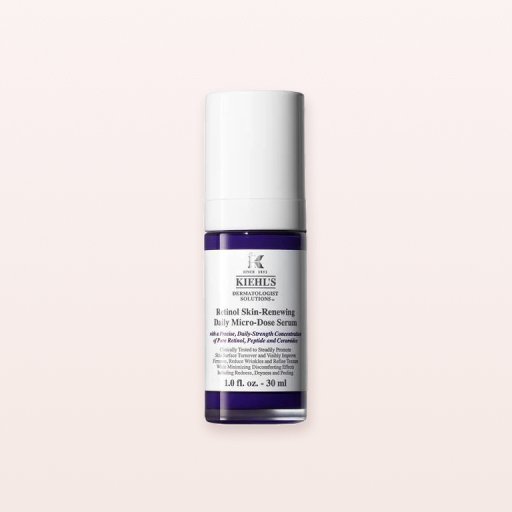
Kiehl’s Retinol Skin-Renewing Daily Micro-Dose Serum
Formulated with pure retinol in a gentle, micro-dose delivery, this serum is designed to help support skin renewal and visibly address the appearance of fine lines with minimal irritation, making it suitable for daily use.
Mature Skin: Layer for Radiance & Resilience
Mature skin can often benefit from a routine that supports hydration, radiance, and the appearance of smoothness and firmness, potentially working well when targeted actives are balanced with plenty of hydration and introduced gradually for easier long-term maintenance.
What to prioritize:
- Vitamin C serum in the morning for brightness and environmental protection
- Peptide serums for plumping and smoothing
- Retinol or gentle retinoids at night
Routine:
AM: Cleanser → Vitamin C serum → Hydrating/peptide serum → Moisturizer → SPF
PM: Cleanser → Hydrating serum → Retinol serum (as tolerated) → Peptide serum → Moisturizer
What to avoid:
- Applying strong actives back to back; alternate retinol/peptides and exfoliants
- Losing sight of hydration—mature skin needs plenty
Serum highlight:
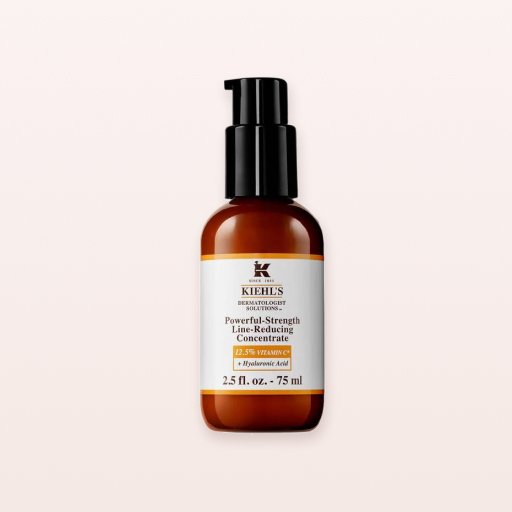
Kiehl’s Powerful-Strength Vitamin C Serum
This potent serum combines 12.5% vitamin C and hyaluronic acid to help brighten skin, reduce the look of fine lines, and enhance the appearance of skin texture. Its fast-absorbing formula supports a radiant appearance, promotes more even skin tone, and supports a smoother, healthier-looking complexion with consistent use.
How to Use Serums: Step-by-Step Layering Guide
Step 1: Prep Your Skin
Always start with clean skin—cleansing removes residue so serums absorb evenly. If you use a toner, apply it next. Many find hydrating serums like hyaluronic acid work well on slightly damp skin, but adjust based on your comfort and the product’s texture.
Step 2: Water-Based Serums First
The basic rule is to layer serums from thinnest to thickest: start with water-based or lightweight formulas, then move to richer, more emollient products so lighter serums can absorb first. However, if you’re using a potent active (like retinol or exfoliating acids) that needs special timing or extra care, let that take priority over texture—apply those separately, in different routines or at different times of day, to avoid irritation and maximize results.
Step 3: Targeted or Active Serums
Next, layer on any treatment serums—like vitamin C, niacinamide, peptides, or exfoliating acids—according to your skin type and concerns.
Step 4: Oils and Emulsions Last
Finish with any oil-based serums or emulsions, followed by moisturizer to help seal in hydration and support the overall routine.
Step 5: Don’t forget SPF
In the morning, SPF should always be the final step.
Tips:
- Wait 30–60 seconds between layers.
- Don’t forget your neck!
Choosing the Right Serums for Your Concerns
The next step is to choose serums that directly target your specific skin concerns. Take a close look at your skin and identify the primary issues you'd like to address, such as dehydration, dullness, or uneven tone.
| Concern | Ingredients to Look For | How It Helps | Approach |
| Hydration | Hyaluronic acid, glycerin | Helps attract and retain moisture, supporting skin comfort. | Apply first after cleansing |
| Brightening | Vitamin C, ferulic acid, alpha arbutin | Helps address the look of dullness and supports an even skin tone. | Use in the morning to complement antioxidant protection. |
| Fine Lines | Peptides, retinol, growth factors | Formulated to help with the appearance of skin smoothness. | Peptides/retinol at night; layer with hydrating serum |
| Uneven Tone | Niacinamide, licorice root, alpha arbutin | Helps reduce the appearance of dark spots and supports skin clarity. | Use after cleanser, before heavier serums/oils; in either AM or PM routine, consistently. |
Choosing the Right Serums for Your Concerns
Ingredients That Pair Well
Some serum combinations can deliver even better results when paired thoughtfully in the same routine. Here are a few examples:
- Vitamin C + Hyaluronic Acid: Hydration, brightening benefits, and antioxidant protection for daytime routines.
- Niacinamide + Peptides: Supports the skin barrier and target wrinkles and uneven tone.
- Retinol + Peptides: When introduced gradually, they can support resilience and renewal.
Remember, ingredient compatibility isn’t one-size-fits-all: how well serums pair depends on your skin’s sensitivity, the strength of each formula, and the other products in your lineup. Always patch-test new combinations and pay attention to how your skin responds—what works for one person may not be ideal for another.
Ingredients Better Used Separately
Some serum combinations are best used separately rather than layered together. Below are common examples. Ultimately, how and when you combine strong actives depends on your skin’s tolerance, the strength of each product, and the overall balance of your routine.
- Retinol + AHAs/BHAs: Avoid layering as they can be too harsh at the same time; use on alternate nights.
- Exfoliating acids or retinol + vitamin C serum: Split up by AM/PM or different days.
- High-strength vitamin C + niacinamide: Generally, compatible at standard strengths, but for very sensitive users or powerful concentrations, use on separate days.
Pro tip: Always patch-test new active serums!
For a quick glance on common ingredient pairings, please refer to this chart:
| Ingredient Pairing | Timing | Usage |
| Vitamin C + Hyaluronic Acid | AM, vitamin C first | A classic pairing that combines antioxidant support with hydration. |
| Niacinamide + Hyaluronic Acid | AM or PM | A flexible combination that works well in many skincare routine steps. |
| Niacinamide + Peptides | AM or PM | A gentle pairing often used when combining serums for visible tone and texture concerns. |
| Retinol + Peptides | PM, retinol first | Often used in evening routines focused on the appearance of fine lines. |
| Ceramides + Any Active | After actives | Helps support the look of a healthy barrier as a follow-up layer. |
| Hyaluronic Acid + AHA/BHA | PM, acid first | A practical pairing when exfoliation is followed by hydration. |
Common Serum Layering Mistakes and Fixes
| Mistake | Why It’s an Issue | How to Fix It |
| Applying hydrating serums to fully dry skin | Skin can feel uncomfortable or tight | Apply when skin is still slightly damp |
| Applying too many actives | Can cause drying, irritation | Limit strong actives to one per routine and add others gradually |
| Wrong texture order | Leads to pilling, poor absorption | Go thinnest to thickest: water-based then oil-based (unless a specific active needs to be separated) |
| Retinol and strong acids together | Can be too intense for most skin types | Use them on different nights or in separate routines depending on skin tolerance and formulas |
| Rushing between low-pH or stronger actives steps | May cause pilling or incomplete absorption | Pause briefly between layers |
| Overusing hydrating serums | Can make skin feel sticky or overloaded | Use as needed; layer with moisturizer |
| Not customizing for skin type | Routine may feel ineffective | Tailor textures and actives to your skin's needs |
Frequently Asked Questions
Can I use a retinol serum every night?
Not at first. Start with retinol a few times a week and gradually increase as your skin builds tolerance. Some people can eventually use it nightly, but always monitor your skin for signs of irritation.
Can I layer an oil-based serum with a water-based serum?
Yes. Apply the water-based serum first so it can absorb fully, then follow with an oil-based serum to seal in hydration and add nourishment.
What's the difference between a serum and an essence?
An essence is less concentrated and more fluid, while serums are more concentrated and address specific concerns. Apply an essence after your toner and before serums.
How do I know if a serum is working?
After a few weeks of regular use, look for changes in your main concern—like smoother texture or improved hydration. If irritation or no improvement occurs, reconsider the product.
What is the benefit of layering different types of hyaluronic acid serums?
Using serums with various molecular weights of hyaluronic acid can hydrate multiple layers of skin, leaving your complexion more fully moisturized and plumped.
Can I apply makeup after layering serums?
Yes. Wait for serums and moisturizer (plus SPF) to fully absorb first as it helps makeup go on smoothly and last longer.
Conclusion: Maximize Your Routine with Smart Layering
Understanding serum layering can help you customize your skincare, allowing you to tailor each step to suit your specific concerns. When you understand what each serum does and how to layer them, you move far beyond a one-size-fits-all routine and start getting results that truly reflect your skin’s needs.
Ready to refine your routine? Explore serums with ingredients like hyaluronic acid for deep hydration, vitamin C for antioxidant protection, niacinamide for balance, or peptides for extra support. Experiment with layering based on the techniques covered here, and see how targeted, strategic combinations can visibly transform your skin’s look and feel.
Product selections are made using editorial research and brand knowledge; personal use or testimonials are noted where applicable.


Read more